Business Structure Guide For Ipswich QLD: The 2026 Essential Guide
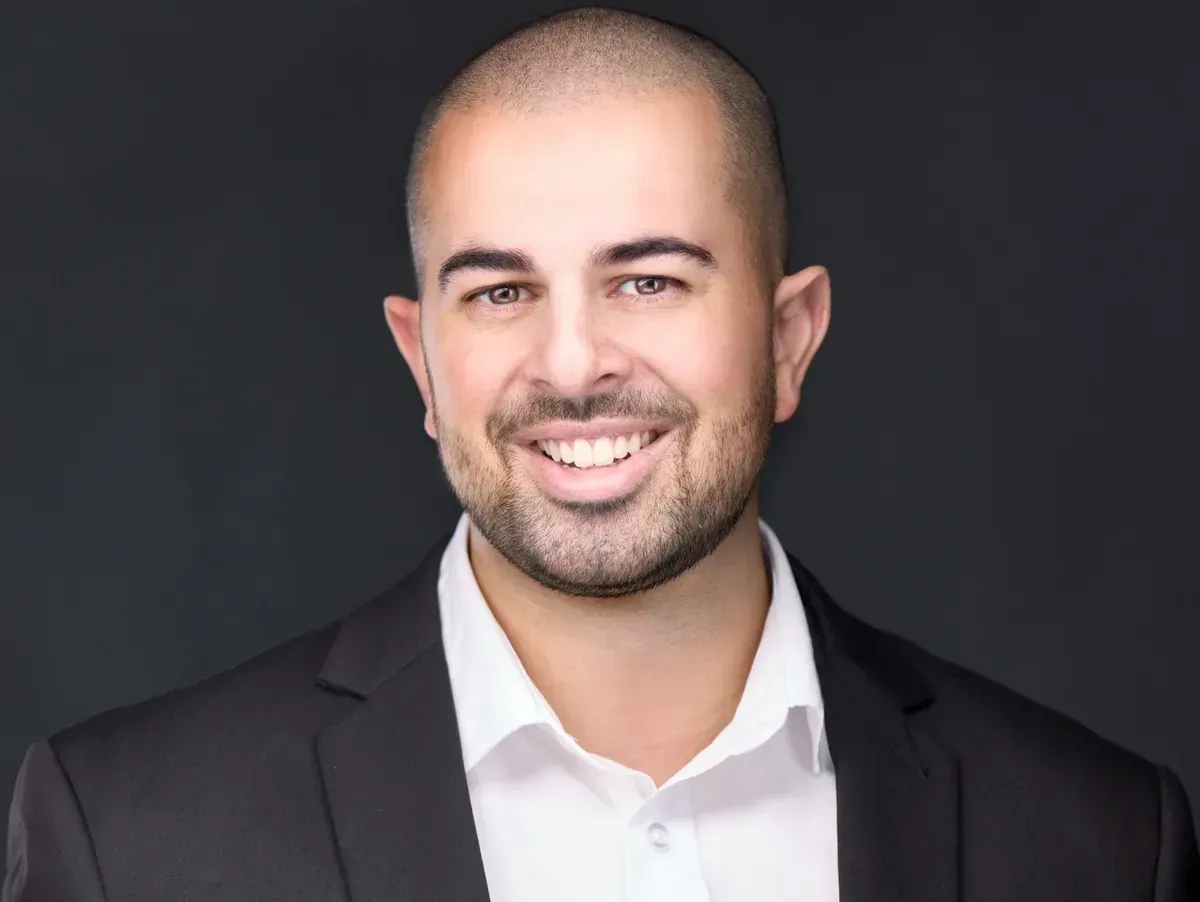
Michael Courtin
In 2026, Ipswich business owners have four main structure options - and the choice you make affects your tax bill, personal liability, and growth potential for years to come. Whether you're a tradie thinking about going solo, a consultant launching a practice, or a family considering a trust for their investments, the right structure can save you thousands while the wrong one costs you more every year you delay fixing it.
With the super guarantee rate now at 12% and ATO interest charges no longer tax deductible from the 2025-26 income year onwards, structure decisions carry more weight than they used to. The $20,000 instant asset write-off runs until 30 June 2026, making this an ideal time to get your structure right before major equipment purchases.
Skyways Accountants helps Ipswich business owners choose and set up the right structure for their goals, starting with a free consultation that covers your tax position, liability needs, and growth plans.
Here's everything you need to know about the four main structures available in Australia, and how to choose the one that works best for your situation.
Why your business structure decision shapes everything else
Your business structure determines how you pay tax, what you can claim as deductions, how much personal liability you carry, and how easily you can bring in partners or sell the business later. In 2026, with the ATO's increased focus on Division 7A loans and Section 100A trust distributions, getting your structure right from the start matters more than ever.
The structure you choose also affects your super contributions, how you handle business losses, and what happens if the ATO comes calling. Most importantly, changing structure later involves CGT, stamp duty, and administrative costs that climb every year - so the earlier you get it right, the better.
What are the main business structures available in Australia?
Australia offers four primary business structures: sole trader, partnership, company, and trust. Each has different tax treatment, liability protection, and compliance requirements. The right choice depends on your income level, risk tolerance, and business goals - which is exactly what we help you work through in a consultation.
| • Skyways Accountants Not sure which structure suits your business goals? The structure you choose affects your tax bill, liability exposure, and growth options for years. A free consultation with local Ipswich accountants gives you clarity on which option works best - no commitment, no pressure. 5-star reviews
Local experts
Free consultation
Book a free consultation →
|
The four structures and what each one means for your tax
- Sole trader: you and your business are the same legal entity for tax purposes. Your business income is added to your personal tax return and taxed at individual rates (16%-45% for the 2025-26 financial year). No separate tax return required, but you're personally liable for all business debts.
- Partnership: two or more people sharing business income and expenses according to a partnership agreement. Each partner pays individual tax rates on their share. The partnership lodges its own return but doesn't pay tax - the partners do.
- Company (Pty Ltd): a separate legal entity that pays company tax at 25% (small businesses with under $50 million turnover) or 30%. Provides liability protection but requires annual returns, ASIC compliance, and careful handling of director loans under Division 7A.
- Trust: holds assets and income for beneficiaries. Can distribute income to beneficiaries at their individual tax rates or retain income and pay tax at 47%. Popular for families and property investors due to income splitting opportunities, but comes with complex compliance requirements.
How do Ipswich Business Accountants help you choose the right structure?
We start with your current situation - income level, business type, family circumstances, and growth plans. Then we model the tax outcomes under each structure based on your projected earnings and show you the real-world difference in your take-home pay.
For example, a sole trader earning $120,000 pays tax at individual rates (30% marginal). The same income through a company might allow salary/dividend splitting that reduces the overall tax burden. But if you're planning to reinvest most profits back into the business, the company's 25% tax rate beats individual rates above $45,000.
The structure mistakes Ipswich business owners make most often
The biggest mistake is choosing based on someone else's situation rather than your own. A structure that works for your mate's electrical business might not suit your consulting practice. Income level, family circumstances, growth plans, and risk tolerance all matter.
The second mistake is delay. We regularly see profitable businesses that have been operating as sole traders for years, paying 30%-45% tax on all their profits, when a company structure could have saved them thousands annually. The longer you wait, the more expensive the eventual restructure becomes.
When to consider a company structure in Ipswich
A company structure usually makes sense once your business income consistently exceeds $45,000 annually - the point where individual tax rates jump from 16% to 30% for the 2025-26 financial year. Companies pay 25% tax (under $50 million turnover), so there's immediate tax savings potential on retained profits.
Companies also provide liability protection, make it easier to bring in partners or investors later, and offer more flexibility around super contributions and salary sacrifice arrangements. The trade-off is additional compliance - annual company returns, ASIC fees, and strict rules around director loans under Division 7A.
| • Skyways Accountants Ready to find out which structure saves you the most tax? Skyways Accountants helps Ipswich businesses save tax, stay compliant, and grow with confidence. Free consultation, no obligation. 5-star reviews
Local experts
Free consultation
Book a free consultation →
|
Frequently Asked Questions
Can I change my business structure later if I need to?
Yes, but it's treated as selling your old business and starting a new one for tax purposes. This can trigger CGT on business assets, stamp duty on asset transfers, and significant accounting costs. The earlier you get your structure right, the better.
Do I need an ABN for each business structure?
You need an ABN for sole trader, partnership, and trust structures. Companies get an Australian Company Number (ACN) when registered with ASIC, and this automatically generates an ABN. All structures need an ABN to invoice other businesses or claim GST credits.
How much does it cost to set up a company structure in Ipswich?
ASIC charges $540 to register a company, plus accounting fees for setup and first-year compliance. Annual costs include ASIC renewal fees and company tax return preparation. We provide transparent pricing upfront so you know exactly what you're committing to.
Can my family members be involved in my business structure?
Yes - partnerships can include spouses, trusts can distribute income to family members at lower tax rates, and companies can have family members as shareholders. Each option has different tax implications and compliance requirements that we help you navigate.
What's the difference between a family trust and a company?
A family trust distributes income to beneficiaries who pay tax at their individual rates, allowing income splitting to lower-income family members. A company pays tax at 25%-30% and can distribute after-tax profits as dividends. Trusts offer more income flexibility but companies provide liability protection.
Should I use an accountant or do it myself for business structure?
An Ipswich business accountant, every time - for any structure beyond basic sole trader. The tax implications compound over years, and getting the initial setup wrong costs far more to fix than professional advice costs upfront. We offer free consultations so you can understand the value before committing.
Does my business structure affect my super contributions?
Absolutely. Sole traders make voluntary super contributions and claim them as deductions. Companies can make super contributions for director-employees at 12% of salary. Trusts can't make super contributions for beneficiaries, but company trustees can contribute for themselves if they're also employees.
Your Next Steps
Your business structure decision deserves more than guesswork or copying what worked for someone else's situation. The right structure can save you thousands in tax every year while setting you up for growth - but only if it matches your income level, family circumstances, and business goals.
Ready to find out which structure is right for your business? Contact the Skyways Accountants team for a free consultation or call 0400 348 482. We'll review your situation, model the tax outcomes under each structure, and help you make the decision that serves you best for years to come.
Need a leading Ipswich Business Accountant?
Looking to grow your business or minimise your tax? Or maybe you need strategic advice? Simply contact Skyways Accountants.
Level 3, 16 East St, Ipswich QLD 4305
Mon - Fri 8:30 am - 5:00 pm
Sat - Sun Closed
Prefer email, we'll get right back to you.
Contact Us