How To Set Up A Family Trust In Ipswich
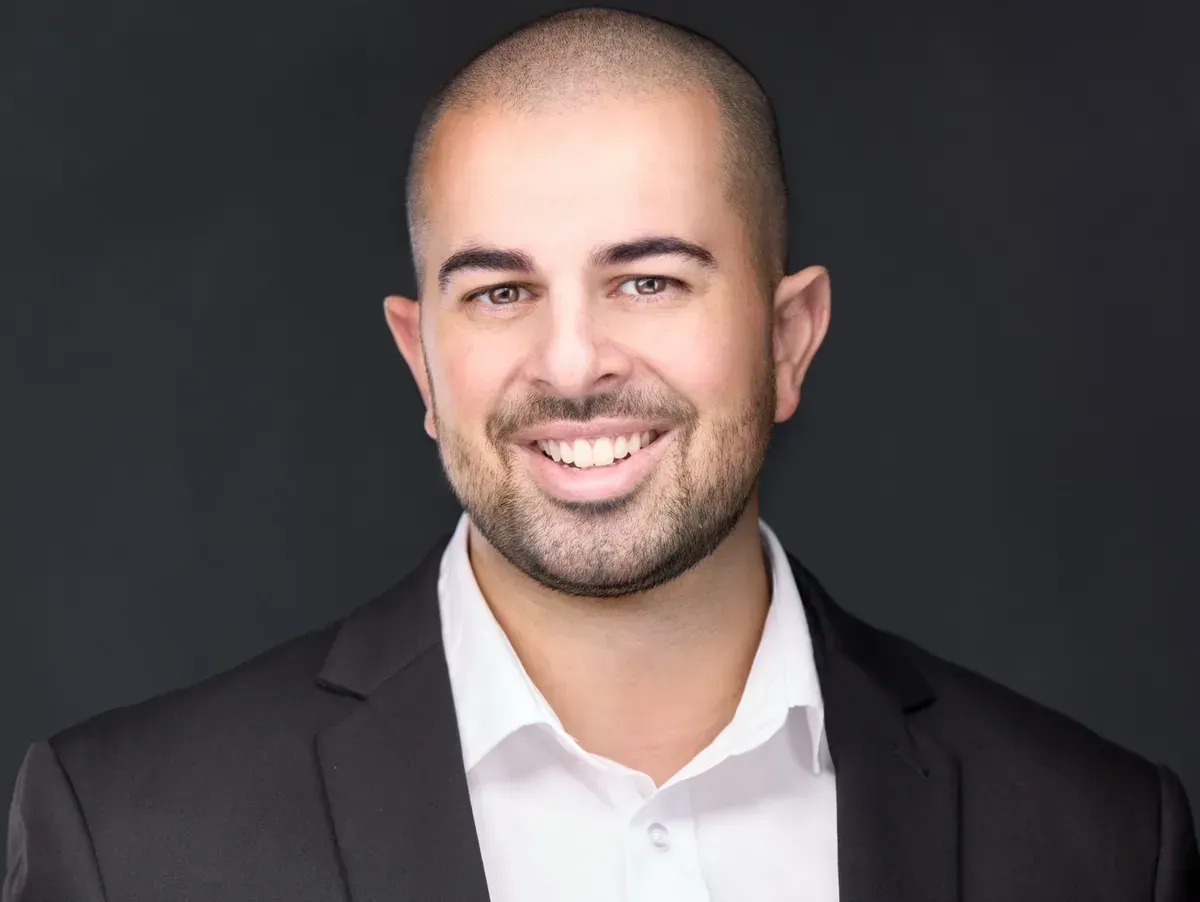
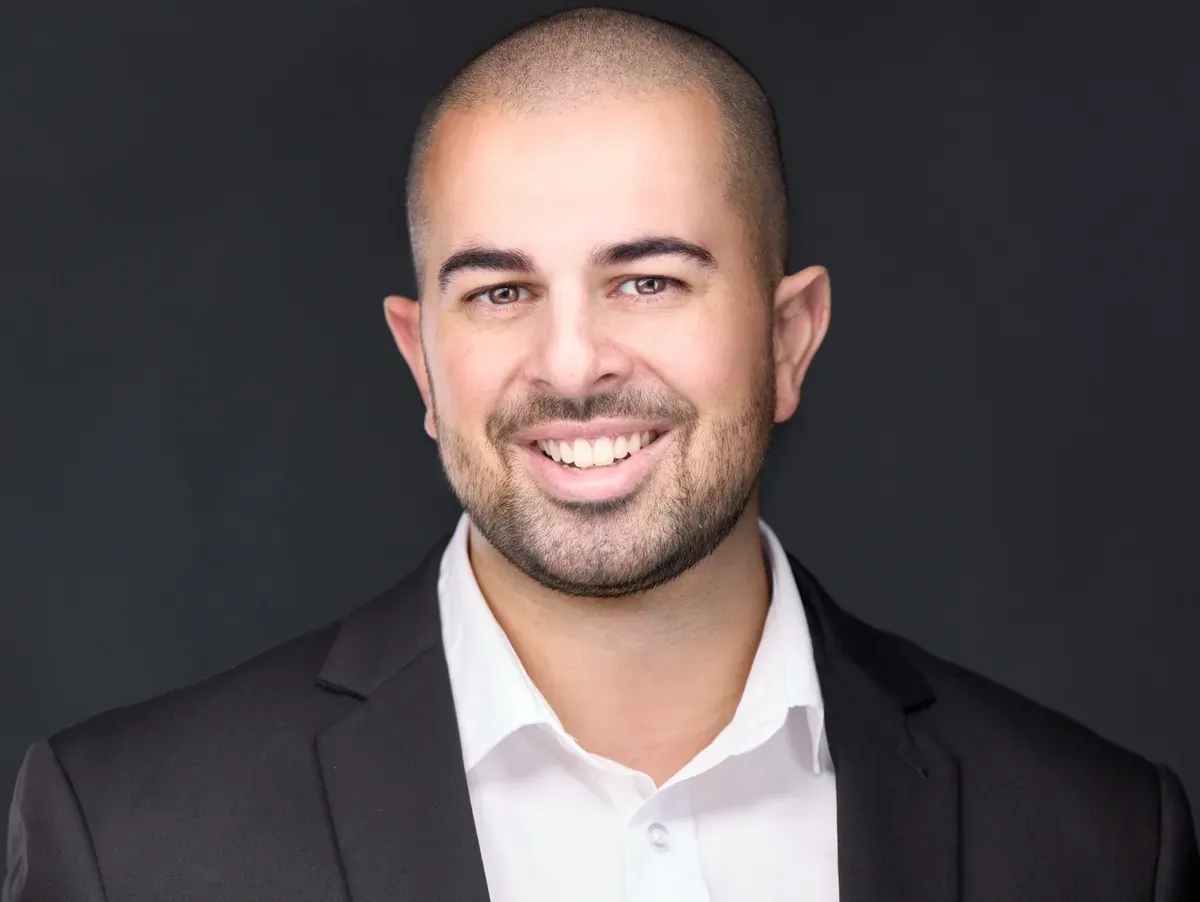
Michael Courtin
Ipswich families and business owners who structure thoughtfully have real options for protecting assets and managing how income is distributed. A discretionary trust, commonly called a family trust, is one of the most flexible structures available to Australian business owners and investors, and the right setup can shape your tax and succession position for decades. Whether you run a growing trade business in Brassall, a professional practice, a family investment portfolio, or a small retail operation, the structure question deserves serious thought before you act.
With the $20,000 instant asset write-off now permanent for small businesses from 1 July 2026, and CGT rules for trusts changing under legislation that has already passed for gains arising after 1 July 2027, the environment in which trusts operate is genuinely shifting. On top of that, the Government has introduced legislation for a proposed 30% minimum tax on discretionary trusts from 1 July 2028. It is not yet law and the final rules may change. A discretionary trust set up now would be inside the proposed minimum tax from 1 July 2028 if the bill passes, so the decision needs advice on the alternatives, which include company structures, fixed trusts and unit trusts.
Skyways Accountants helps Ipswich families and business owners work through the trust decision clearly, starting with a free consultation where we review your structure, your goals, and what the current and proposed rules mean for you.
Below, we cover how a family trust works, what the current rules require, what is changing, and the situations where a trust still makes strong sense.
Key Takeaways
- Setting up a family trust requires a trust deed, a trustee, a settlement amount, and registration with the ATO before the trust can operate.
- The Government has introduced legislation proposing a 30% minimum tax on discretionary trusts from 1 July 2028, which is not yet law but must be factored into any setup decision today.
- CGT rules for trusts have already changed under law, with the 50% discount replaced for gains arising after 1 July 2027 by inflation indexation and a minimum 30% tax.
What is a family trust and how does it work?
A discretionary trust, the legal structure most people call a family trust, holds assets on behalf of beneficiaries. The trustee, which can be an individual or a company, controls the trust and has full discretion to decide each year which beneficiaries receive income and how much. Beneficiaries are taxed on their share of the trust's net income when they are presently entitled by the end of the income year, whether or not the money has actually been paid to them.
This flexibility is the structure's main strength. Where beneficiaries have different marginal tax rates, directing more income toward those in lower brackets can reduce the total tax paid by the family group. The trustee must make the distribution resolution by 30 June each income year. Where no beneficiary is presently entitled by that date, the trustee is taxed at the top rate, currently 47% including the Medicare levy. Getting the resolution timing right every year is one of the most important and most often missed obligations for family trust trustees.
Why is a family trust becoming more complex to set up in Ipswich?
The honest answer is that the tax environment for discretionary trusts is mid-change, and setting one up in late 2026 is a meaningfully different decision from setting one up five years ago. There are three current developments every Ipswich family and business owner should understand before proceeding.
First, the business structuring decision now has to account for a proposed minimum tax that is not yet law. The Government has introduced the Treasury Laws Amendment (Tax Reform No. 3) Bill 2026 into Parliament on 14 October 2026. If it passes, from 1 July 2028 the trustee of a discretionary trust would pay a top-up so that the trust's net income is taxed at least 30%. Individual beneficiaries would receive a non-refundable credit for the tax the trustee paid, but unused credits would be lost. Company beneficiaries, often called bucket companies, would receive no credit at all under the bill as introduced. The Senate outcome is unknown and the final rules may change.
Second, CGT rules for trusts have already changed under law that has passed. The 50% CGT discount applies to gains arising up to 30 June 2027. For gains arising after 1 July 2027, the discount for individuals, trusts and partnerships is replaced by inflation indexation plus a minimum 30% tax on the gain. If your trust holds investment property or business assets, the timing of any planned sale relative to 1 July 2027 is now a meaningful planning question. Investors in new residential builds can choose the old 50% option.
Third, the High Court decided in June 2026 that an unpaid trust distribution owed to a company is not, by itself, a Division 7A loan. This is the Bendel decision. The ATO is reviewing its guidance following that decision, and separate legislative changes are expected. If your trust currently has unpaid distributions owed to a corporate beneficiary, or you are considering a structure that involves one, the position is unsettled enough that you should not proceed without advice.
What are the current requirements for setting up a family trust?
- Trust deed: the foundational legal document that sets out who the trustee is, who the beneficiaries are, and what powers the trustee has. The deed must allow income streaming (directing franked dividends or capital gains to specific beneficiaries separately) if you want that flexibility.
- Trustee: can be one or more individuals or a corporate trustee (a company set up specifically to act as trustee). A corporate trustee provides greater asset protection and continuity; a company registration costs $636 and carries an annual ASIC review fee of $342 for 2026-27.
- Settlor and settlement sum: a person (usually not a beneficiary) settles the trust by gifting a small sum, commonly $10, which the trustee accepts. The settlor's role ends there.
- ATO registration: the trust must apply for a Tax File Number (TFN) and, where it carries on a business or earns income above the relevant threshold, an ABN. GST registration applies where business turnover is $75,000 or more per year.
- Family trust election: making a family trust election with the ATO locks the trust into a defined family group centred on a specified individual. Distributions outside that family group attract family trust distribution tax at 47%. The election is generally hard to revoke, so it needs careful thought before lodging.
- Annual distribution resolution: the trustee must resolve distributions by 30 June each year. Franked dividends must be streamed by a resolution made by 30 June; capital gains may be streamed by 31 August. Streaming is only possible if the deed expressly allows it.
- Tax return: the trust lodges a trust tax return each year. Where beneficiaries have not quoted their TFN, TFN withholding at 47% applies. TFN information is now reported in the trust tax return rather than a separate TFN report, which ended on 1 July 2026.
- QLD stamp duty: a trust settled with cash only does not attract Queensland transfer duty. If property is transferred into the trust, duty applies at the relevant QLD rate.
How do Ipswich Business Accountants assess whether a trust suits your situation?
When the Skyways Accountants team works through a structuring decision with an Ipswich family or business owner, the trust question is never answered in isolation. The right structure depends on what you are trying to achieve, what assets will sit inside it, who the beneficiaries are and what their other income looks like, and whether the proposed minimum tax changes how the numbers work if the bill passes. No two families have the same answer.
There are situations where a trust still makes strong sense even in the current environment. Asset protection, succession planning across generations, and structures where multiple family members are genuinely active in a business remain powerful use cases. Where a beneficiary has genuinely lower income and receives distributions legitimately, the flexibility of a discretionary trust is difficult to replicate in a company structure. But there are also situations where the company structure, a fixed trust, or a unit trust may now produce better outcomes, particularly for investors holding assets with large capital gains in prospect after 1 July 2027.
Section 100A is an ATO compliance focus area worth understanding before you set up any discretionary trust. It applies where an adult beneficiary is made presently entitled to a distribution, but someone else actually receives the economic benefit, and the arrangement is not an ordinary family or commercial dealing. Where Section 100A applies, the trustee is taxed at the top rate. The ATO's current approach under PCG 2022/2 uses a traffic light framework with white, green and red zones. Any arrangement that sits in or near the red zone warrants immediate review. The ATO has been firm on this since 2022 and the compliance focus has not softened.
Get in touch
Ready to find out whether a family trust suits your situation?
We're a local Ipswich team who keep you informed at every step. Get in touch for a free consultation.
What are the mistakes Ipswich families make when setting up a trust?
The most common mistake is setting up a trust because someone said it was a good idea, without working through whether the beneficiaries are the right people, whether the deed allows the distributions you plan to make, and whether the personal services income rules might attribute the trust's income back to you anyway. A discretionary trust set up around a single-person consulting business where one client pays for substantially all the work can face personal services income attribution, meaning the income is taxed in the individual's hands regardless of what the trust deed says. If you earn your income mainly from your own personal labour, a trust is unlikely to achieve the tax outcome you expect.
The second most common mistake is distributing to adult children or low-income relatives without understanding what Section 100A requires. The test is whether the arrangement is an ordinary family or commercial dealing. Where a parent sets up a trust, distributes to an adult child who is listed as a beneficiary, and the adult child simply hands the money back or never receives it, the ATO is likely to look hard at that arrangement. The adult child must genuinely receive the economic benefit of the distribution. This is not a theoretical risk; it is an active ATO focus area. Approaching distributions to adult children as a straightforward tax tip, without advice, is the kind of mistake that creates an expensive audit.
A third pattern worth flagging for Ipswich families is trusts with old or unclear deeds. If your trust deed is more than ten years old, or you are not sure what it permits, the deed should be reviewed before you rely on any streaming, election, or specific distribution strategy. What the deed allows governs what the trustee can actually do, and a resolution that does not comply with the deed can be ineffective.
What's changing, and when do you need to act?
The proposed rollover relief under the Tax Reform No. 3 Bill is worth understanding for any Ipswich family that already holds a trust and is weighing a restructure. Under the bill as introduced, there is a one-off fixed-distribution election window for existing trusts during 2028-29, and proposed rollover relief available between 1 July 2027 and 30 June 2030 for those restructuring into a company or other entity. These are proposed measures only. They are not law and the final shape may change before or if the bill passes.
For the EOFY tax planning that happens between now and 30 June 2027, the most time-sensitive issue for trust holders is the CGT discount change. Gains arising from assets sold before 1 July 2027 still attract the 50% discount for eligible assets held 12 months or more. Gains from sales after that date, for individuals and most trusts, will instead use inflation indexation and a 30% minimum tax under the law that has already passed. The timing of any planned asset sale relative to that date is a genuine planning question that deserves a conversation before the end of the current financial year.
"The families who get the most from a trust structure are the ones who set it up with a clear purpose and review it every year. A trust deed that made sense when you started can create real problems a decade later if the business has grown, the family has changed, or the rules have shifted. We look at these structures holistically, not just at lodgement time."
Michael Courtin, Principal, Skyways Accountants
Frequently Asked Questions
How much does it cost to set up a family trust in Ipswich?
The main costs are the trust deed (typically prepared by a lawyer or accountant), and if you use a corporate trustee, company registration at $636 plus an annual ASIC review fee of $342 for 2026-27. A trustee company name registration costs $47 for one year or $108 for three years. The settlement sum itself is usually just $10. Total setup costs vary depending on deed complexity and whether a corporate trustee is used. We go through the full cost picture with you in a free consultation before anything is committed.
Who can be a beneficiary of a family trust?
A discretionary trust deed typically lists a wide class of beneficiaries, including the primary family members, their spouses, children and other relatives, and companies or trusts associated with them. The trustee then decides each year which beneficiaries actually receive a distribution. If a family trust election has been made, distributions outside the defined family group attract family trust distribution tax at 47%, so the election must match the intended distribution pattern.
Can a trust hold a business and investment assets at the same time?
Yes, and many Ipswich families do run both through one trust. The issue is that mixing operating business income with passive investment income inside a single trust can create complications around the base rate entity test for company tax rates, and can make it harder to apply the small business CGT concessions cleanly at sale. Whether to separate the assets into different structures is a question we work through based on your specific situation.
What happens to a family trust when someone dies?
The trust itself does not die with a beneficiary or trustee. The trust deed determines what happens, including who replaces a deceased trustee and whether the trust continues or is wound up. This is one of the strongest arguments for a corporate trustee, since a company does not have the same succession challenges as an individual trustee. Testamentary trusts, which are set up under a will rather than during your lifetime, are excluded from the proposed 30% minimum trust tax under the bill as introduced.
Can personal services income be split through a trust?
Generally no. If your income is classified as personal services income under the ATO's rules, it can be attributed back to you regardless of your trust structure. The test depends on whether your income passes the results test, the 80% rule, and other PSI tests. This is a common reason why sole traders and consultants who earn most of their income from one or two clients find that a trust does not deliver the outcome they expected. We assess PSI risk as part of any structuring conversation.
Should I use an accountant or do it myself when setting up a trust?
An Ipswich business accountant, every time, for a decision of this size. With proposed changes to the minimum tax on discretionary trusts currently before Parliament, CGT rules changing from 1 July 2027 under existing law, and the Section 100A compliance focus active, the trust landscape is not one where a template deed from the internet is a safe starting point. The cost of getting the structure wrong, or setting up a trust that will be caught by the proposed minimum tax without understanding the alternatives, is far higher than the cost of proper advice upfront.
What should I do if my existing family trust has old deeds or unresolved distributions?
Start with a review before lodging anything or making a new distribution resolution. Old deeds may not permit income streaming, may not reflect the correct trustee, or may have beneficiary definitions that no longer match your family structure. Unresolved unpaid distributions owed to corporate beneficiaries are under ATO scrutiny following the Bendel High Court decision in June 2026. Call 0400 348 482 to book a trust review with the Skyways Accountants team.
Your Next Steps
Setting up a family trust in Ipswich is not a decision that ages well when it is rushed. The current legislative environment, with the proposed 30% minimum trust tax before Parliament, CGT rules already changed by law from 1 July 2027, and the ATO's firm stance on Section 100A, means the right structure for your family depends on your deed, your beneficiaries, your planned distributions, and your medium-term goals. Trust rules are changing, and the right approach depends on your trust deed, your beneficiaries and your plans, which is why we review each trust individually.
Ready to find out whether a family trust, a company, or an alternative structure makes the most sense for your situation? Contact the Skyways Accountants team for a free consultation or call 0400 348 482. We'll review your structuring goals, assess the current and proposed rules as they apply to you, and help you make a decision you can rely on.
Need a leading Ipswich Business Accountant?
Looking to grow your business or minimise your tax? Or maybe you need strategic advice? Simply contact Skyways Accountants.
Level 3, 16 East St, Ipswich QLD 4305
Mon - Fri 8:30 am - 5:00 pm
Sat - Sun Closed
Prefer email, we'll get right back to you.
Contact Us