Self-Education Deductions: What Ipswich Workers Can Claim

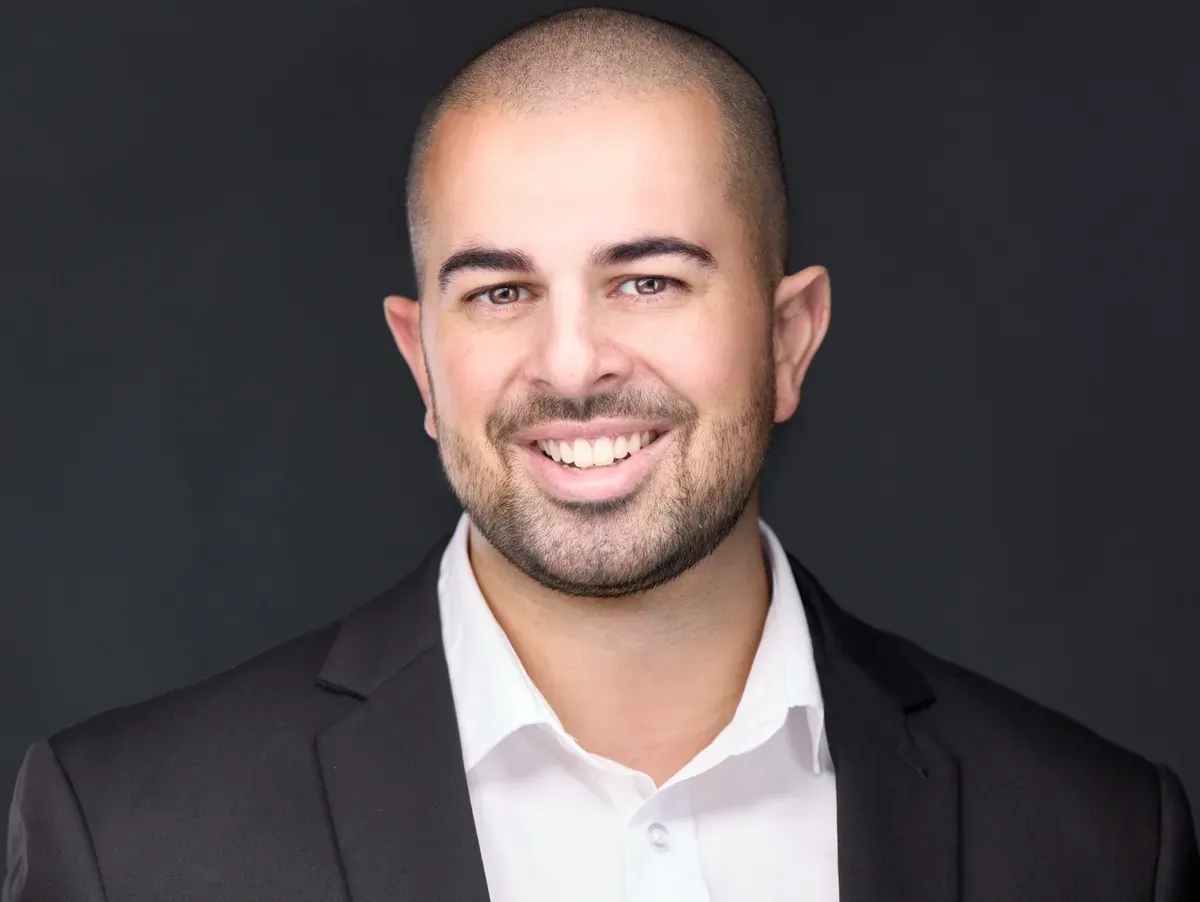
Michael Courtin
Ipswich workers and business owners have real scope to reduce their tax bill through self-education deductions, but the rules are narrower than most people realise. Whether you're a tradie completing a certification, a healthcare professional attending a conference, a consultant investing in a specialist course, or a business owner doing an MBA, the deductibility of your study costs turns on one specific test: does the education maintain or improve skills you already use in your current work, or is it likely to increase your income from that same work?
With the $1,000 standard work-related deduction now available on 2026-27 returns and the ATO's ongoing focus on work-related expense claims, getting self-education right has never mattered more. The same expenses that generate a legitimate deduction for one person are disallowed for another doing identical study, purely because of how their work situation differs.
Skyways Accountants helps workers and business owners across Ipswich identify exactly what qualifies, structure their claims correctly, and avoid the mistakes that attract ATO attention, starting with a free consultation.
Below, we walk through the rules the ATO applies, what you can and cannot claim, how business owners and employees are treated differently, and the situations where a conversation with an accountant pays for itself many times over.
Key Takeaways
- Self-education is deductible only when it maintains or improves skills in your current role, or is likely to increase your income from that same work.
- Study undertaken to get a new job, move into a different career, or meet only general personal interest is not deductible, even if your employer encourages it.
- The old $250 reduction was removed from 1 July 2022, so qualifying expenses are now fully deductible from the first dollar.
Why the connection to your current work is everything
The ATO's test for self-education has one central requirement: a sufficient connection to your current employment or business activity. This is not about whether the study is useful, valuable, or even required by your employer. It is about whether it connects to work you are already doing, not work you hope to do in the future.
A registered nurse studying advanced wound care can claim the course because it directly improves skills she already applies in her daily role. The same nurse studying physiotherapy cannot claim, because physiotherapy is a different profession, even if she intends to pivot. A sole-trader consultant doing an industry-specific leadership course likely qualifies. A sole-trader consultant doing a general business degree to become a more well-rounded professional likely does not. The distinction is specific versus general, and current versus aspirational. This is the line the ATO draws, and it is stricter than most people expect when they first consider claiming.
What does the ATO allow as a self-education deduction?
The ATO allows a deduction for self-education where the study maintains or improves your skills in your current work, or is likely to result in increased income from that same work. These are the two qualifying limbs, and both apply to the role or business you hold right now, not a future one.
Qualifying expenses can include:
- Course fees and tuition: the cost of enrolment in a qualifying course, including TAFE, university and private training providers.
- Textbooks and course materials: books, journals, online subscriptions and printed resources required for the course.
- Stationery and consumables: pens, paper, printer ink and other consumable study materials.
- Home office expenses for study: a portion of electricity, internet and equipment decline in value, apportioned to the hours spent studying.
- Travel to and from place of education: where you travel directly from your workplace to your place of study (not from home to study).
- Conferences and seminars: registration fees for industry events directly related to your current work, including travel and accommodation where required.
- EOFY tax planning for professional development: prepaying eligible study expenses before 30 June under the 12-month prepayment rule is a legitimate timing strategy for self-employed taxpayers.
What does the ATO disallow?
Disallowed claims are as important to understand as allowed ones, because the ATO actively reviews work-related expense claims and self-education is a flagged area. Study is not deductible if it is undertaken to get a job you do not yet have, to change careers, to meet general personal interest, or where costs are reimbursed by an employer. HELP repayments are also not deductible, regardless of the course.
Some specific situations where the claim fails:
- Getting your first qualification: a student doing their initial degree or trade qualification to enter a profession cannot claim, because they have no current work in that profession to connect to.
- Career change study: a PAYG warehouse supervisor completing a nursing degree cannot claim, even if healthcare is their long-term goal.
- Employer-reimbursed costs: if your employer pays or reimburses study expenses, you cannot also claim them.
- HELP repayments: the amount you repay on a HECS-HELP or FEE-HELP debt is not a tax deduction under any circumstances. Only upfront tuition fees or FEE-HELP debt paid directly by the taxpayer may qualify (and only if the course itself qualifies).
- General personal development: a business owner completing a mindfulness or general communication course with no specific connection to their current work activity is not deductible.
How do Ipswich Business Accountants help workers and business owners claim correctly?
For employees, self-education expenses flow through the individual tax return as work-related deductions. For business owners and the self-employed, the same deductibility test applies, but the expenses sit in the business accounts and interact with the overall profit and loss. Getting the category right matters for both BAS purposes and for year-end tax planning.
Where things get genuinely complex is when a course serves a dual purpose: partly for your current work, partly for a new direction. The ATO requires an apportionment in these cases, and the split needs to be defensible. Ipswich Business Accountants who understand both the individual tax return and the business accounts can identify the right apportionment, document it correctly, and make sure the claim holds up if the ATO asks. A free initial consultation is usually enough to identify whether your study expenses qualify and how to structure the claim.
Get in touch
Ready to find out if your study costs are deductible?
We're a local Ipswich team who keep you informed at every step. Get in touch for a free consultation.
The mistakes Ipswich workers make most often with self-education claims
The most common error is claiming study that leads toward a career change rather than building on the current one. A construction project manager studying a business degree to eventually become a director is a borderline claim at best, and disallowed in most cases, because the study is oriented toward a future role rather than current project management responsibilities. The ATO does not need to find an intent to mislead, only that the sufficient connection test is not met.
The second most common error is claiming travel from home to a place of study. Under current rules, travel from home to your place of study is generally not deductible, even if you are heading there directly to study for work purposes. The deductible travel scenario is narrower: where you travel from your workplace to your place of study, or where you carry bulky study materials that cannot be stored at the educational institution. Getting this wrong on a return is the kind of error the ATO's data-matching flags, particularly now that universities and training providers report enrolment data. A straightforward rule of thumb: if you went to work first, your travel to study after that may be deductible. If you went straight from home, it is not.
Self-education claims across different Ipswich professions
Ipswich has a strong concentration of healthcare, defence, construction and professional services workers, and each group has a distinct self-education profile worth understanding.
- Healthcare workers (Ipswich Hospital, allied health, aged care): CPD requirements for AHPRA registration mean most clinical study qualifies directly. Conference attendance, specialist courses and clinical skills workshops are typically deductible. Study for a higher-level clinical role, such as a registered nurse studying medicine, is generally not.
- Defence and public sector workers at RAAF Base Amberley: job-specific technical training and courses required for current duties are generally deductible. General management or leadership training with no direct link to current duties is the grey area.
- Construction and trades workers: licensing refreshers, safety certifications, and courses directly tied to their current trade are deductible. A carpenter completing a plumbing certificate to expand into a new trade is generally not deductible, because plumbing is a different occupation.
- Consultants, engineers and IT professionals: technical upskilling in areas directly used in current client work qualifies well. Personal services income (PSI) rules can affect how business owners structure these deductions, so a tax compliance review is worth doing before claiming significant amounts.
- Business owners across Ipswich: the same test applies. A retail business owner studying retail operations management can claim. A retail business owner studying psychology to improve customer relations is a much harder claim.
"The self-education rules catch people out because the ATO's test is about your current work, not your ambitions. We see a lot of legitimate claims being left on the table, and we also see claims that won't survive scrutiny. Getting a second opinion before you lodge is the simplest way to get it right."
Michael Courtin, Principal, Skyways Accountants
Frequently Asked Questions
Can I claim a university degree as a self-education deduction?
Yes, if the degree directly maintains or improves skills you already use in your current role, or is likely to increase your income from that same work. If you are completing a degree to get into a profession you are not yet working in, or to change careers, the claim does not meet the ATO's test. The subject matter and your current duties both need to line up clearly.
Is the $250 reduction still applied to self-education claims?
No. The $250 reduction was removed from 1 July 2022. For the 2026-27 financial year, qualifying self-education expenses are fully deductible from the first dollar. There is no minimum threshold to clear before claiming.
Can I claim my HELP or HECS repayments as a deduction?
No. HELP and HECS repayments are never tax deductible, regardless of whether the course itself qualifies as self-education. The deduction, where it applies, is for upfront tuition fees or FEE-HELP debt paid directly, not for the compulsory repayments withheld from your salary or paid through your tax return.
Can I claim travel to and from my place of study?
Only in specific circumstances. Travel from your workplace directly to your place of study may be deductible. Travel from home to your place of study generally is not, even if you are studying for work purposes. The exception is where you carry bulky study equipment that cannot be stored at the institution. Getting this wrong is one of the most common errors the ATO finds in self-education claims.
Can a business owner claim self-education as a business expense?
Yes, the same deductibility test applies to business owners, but the expenses sit in the business accounts rather than the individual return. The connection to current business activities still needs to be clear and documentable. Where the study has mixed purposes, an apportionment is required. We can help you identify the right treatment in a free consultation.
Should I do my self-education claims myself or use an accountant?
An Ipswich business accountant, every time, for any claim involving dual-purpose study, significant course costs, or situations where the connection to current work is not entirely clear. The ATO's scrutiny of work-related expenses means the cost of getting it wrong, through an amended return, penalties, or interest, quickly exceeds any accounting fee. We offer a free initial consultation so you can see the value before committing.
What records do I need to keep for a self-education claim?
Keep receipts or invoices for all expenses, your enrolment confirmation, and a clear record of how the course connects to your current work. For home office study expenses, keep a diary or log of hours studied. The ATO requires records to be kept for five years from the date of lodgement of the return in which the claim is made.
Your Next Steps
Self-education deductions reward workers and business owners who invest in their current skills, but the ATO's test is specific enough that getting it wrong is genuinely easy. The connection to your present role has to be clear, the expenses have to be properly documented, and dual-purpose study needs careful apportionment. For professionals in Ipswich with significant study costs, the difference between a well-structured claim and a disallowed one can easily run to several hundred or several thousand dollars in a single return.
Ready to find out whether your study expenses qualify and how to claim them correctly? Contact the Skyways Accountants team for a free consultation or call 0400 348 482. We'll review your study costs, your current role, and the connection between them, and make sure your claim is solid before you lodge.
External Resources
Need a leading Ipswich Business Accountant?
Looking to grow your business or minimise your tax? Or maybe you need strategic advice? Simply contact Skyways Accountants.
Level 3, 16 East St, Ipswich QLD 4305
Mon - Fri 8:30 am - 5:00 pm
Sat - Sun Closed
Prefer email, we'll get right back to you.
Contact Us