Business Travel And Accommodation Deductions Ipswich

Michael Courtin
Ipswich business owners who travel for work have more to claim than many realise. Whether you're a tradie driving between job sites in Bundamba and Yamanto, a consultant flying interstate for client meetings, or a small business owner attending a trade expo on the Gold Coast, the right approach to travel deductions can put real money back in your pocket.
The rules around what qualifies are surprisingly specific. The difference between a deductible business trip and a mixed-purpose holiday comes down to documentation, purpose, and how honestly you can apportion the costs. For the 2026-27 financial year, the ATO is actively reviewing travel claims in its compliance program for privately owned groups, which means the detail matters more than ever.
Skyways Accountants helps Ipswich business owners identify legitimate travel and accommodation deductions, set up the records to support them, and avoid the claims that flag ATO scrutiny, starting with a free consultation.
Below, we walk through what qualifies, what the ATO looks for, where most Ipswich businesses go wrong, and how to build a claim that holds up.
Key Takeaways
- Travel must be for business purposes to be deductible, and mixed-purpose trips require honest apportionment between private and business components.
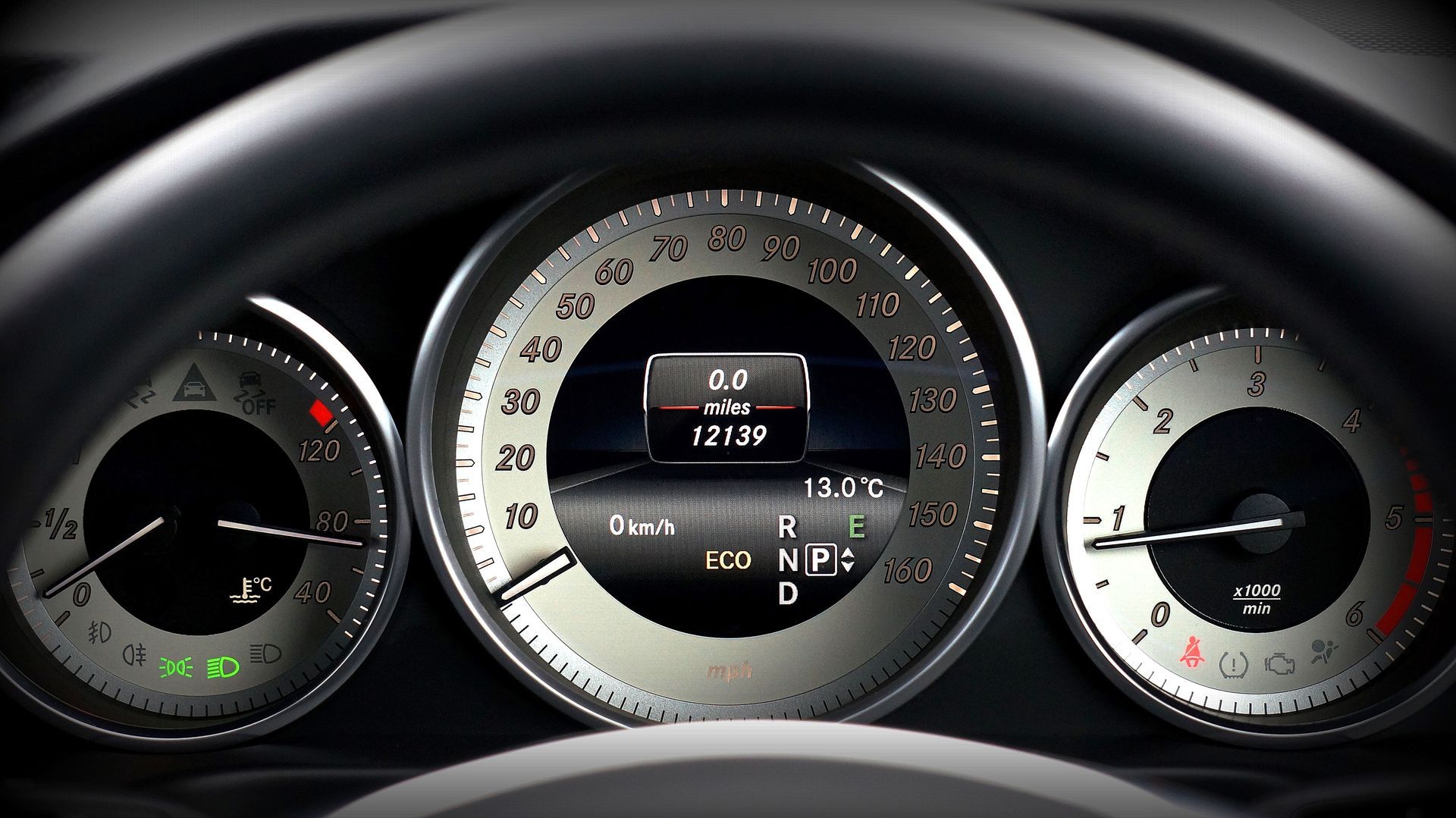
- The cents-per-kilometre rate for the 2026-27 financial year is 91 cents per kilometre, up to 5,000 business kilometres per car.
- Overnight travel requires written evidence such as receipts and a travel diary for trips of six or more nights away from home.
What makes a business trip deductible?
A trip is deductible when its primary purpose is generating assessable income for your business. That covers a wide range of activities: client meetings, supplier visits, industry conferences, site inspections, and travel between business premises. What it does not cover is travel that is primarily personal, even if you do some work along the way.
The ATO draws a clear line between travel undertaken in carrying on your business and travel that merely has a business connection. A weekend in Melbourne where you attend a two-hour conference on Saturday morning is not automatically a deductible trip. The business component may be deductible; the rest is not. Getting the apportionment right requires looking at the actual purpose of each day, not just the presence of some business activity during the trip.
What can Ipswich businesses claim as a business travel deduction?
The deductible components of a genuine business trip include transport, accommodation, and meals, subject to the purpose and apportionment rules. Here is what qualifies under each category for the 2026-27 financial year:
- Vehicle costs: the 91 cents per kilometre rate applies to the first 5,000 business kilometres per car per year under the cents-per-kilometre method. Beyond 5,000 kilometres, or for higher-value vehicles, the logbook method generally produces a larger claim and allows a percentage of all vehicle running costs including depreciation.
- Airfares, train and bus tickets: the full cost of economy transport is deductible for business travel. Business or first class is deductible only for the economy-equivalent portion unless business class is genuinely necessary for work reasons.
- Accommodation: hotel, motel, or short-stay accommodation directly tied to business travel is deductible. The room cost is fully deductible if the stay is for business; shared stays or extended personal nights must be apportioned.
- Meals during overnight travel: meals are deductible when you are away from home overnight for business. Day-trip meals are generally not deductible unless they fall within a specific FBT meal entertainment exception that does not apply to sole traders.
- Taxis, rideshares and parking: deductible when travel is between business locations, to or from a client site, or to an airport for a business trip. Parking at your regular workplace is generally not deductible.
- Incidental expenses: luggage fees, airport lounge memberships used for genuine business travel, and business-related internet and phone costs while travelling are deductible in proportion to their business use.
How do Ipswich Business Accountants help businesses claim travel deductions correctly?
An Ipswich business accountant reviews your travel claim from the ATO's perspective before you lodge, not after a query arrives. That means checking that each trip has a clear business purpose documented before or during the trip, that mixed-purpose journeys are apportioned using a method the ATO accepts, and that the records you have actually match what you are claiming. For businesses with employees who travel, there is also the question of whether travel allowances paid under an award or agreement satisfy the ATO's substantiation exemption or whether full receipts are still required.
Our tax and EOFY planning service includes a review of your travel and vehicle deductions as part of your year-end position, so you claim everything you are entitled to without stepping into territory the ATO scrutinises. For businesses with significant travel spending, getting this right can make a meaningful difference to the tax bill.
What records do you need for business travel claims?
The ATO's substantiation rules for travel are stricter than many business owners expect, and the threshold that triggers the toughest requirements is lower than it sounds. Here is what you need for the 2026-27 financial year:
- Written evidence for all travel expenses: receipts, invoices, or credit card statements showing the amount, date, supplier and nature of the expense. This applies to airfares, accommodation, rideshares and incidental costs.
- Travel diary for trips of six or more nights: if you are away from home for six or more consecutive nights, a travel diary recording the date, location, duration and business purpose of each activity is required. This applies to both individuals and companies, and the ATO treats missing diaries as a reason to disallow the entire claim.
- Vehicle logbook for the logbook method: a 12-week continuous logbook showing the date, destination, purpose and kilometres of every trip during the period. The logbook is then used to calculate a business-use percentage that applies to all vehicle costs.
- Odometer readings: for both cents-per-kilometre and logbook methods, you need start-of-year and end-of-year odometer readings, plus enough trip records to support the kilometres claimed.
- Business purpose documentation: calendar entries, emails, meeting notes or client correspondence that establishes why the trip happened. The ATO increasingly asks for this when reviewing claims, and "business meeting" in a diary is not enough detail.
Get in touch
Ready to find out if your travel claims are costing you tax?
We're a local Ipswich team who keep you informed at every step. Get in touch for a free consultation.
The travel deduction mistakes Ipswich businesses make most often
The single most common error is treating a personal trip with some business activity as a fully deductible business trip. A tradie who visits a tool supplier in Brisbane on the way to a weekend footy trip cannot claim the full cost of the journey. The business leg is deductible; the rest is not. Most of the time this is an honest mistake, but the ATO's data-matching capability now flags travel costs that look disproportionate to business size or industry, so the risk of a query is real.
Approaching travel deductions without understanding the apportionment rules is a bit like completing a BAS without reconciling the bank account first. The numbers might look right until they are tested. The other frequent mistake is claiming meals on day trips where no overnight absence exists, or claiming the full cost of a business-class airfare when the economy equivalent is the actual deductible amount. For business owners running a company structure, there is also the FBT dimension: if the company pays for travel that has a significant private component, a fringe benefit may arise and the 47% FBT rate applies to the grossed-up value. That outcome is almost always worse than simply apportioning the personal component and not claiming it.
Travel allowances, FBT and employee travel
When you pay employees a travel allowance to cover meals and accommodation while they are away from home for work, a different set of rules applies. If the allowance is paid under an industrial instrument such as an award or enterprise agreement, and does not exceed the ATO's reasonable amounts for the relevant industry and destination, employees may not need to keep every receipt to substantiate their deduction. The ATO publishes reasonable amounts each year, and they vary by destination, meal type, and daily rate. These figures are not in the pre-loaded data tables for this guide, so the right approach is to confirm the applicable amounts for your industry and the destinations your employees visit in a consultation with the Skyways Accountants team.
For employers, paying travel allowances above the ATO's reasonable amounts or failing to document that the travel is genuinely work-related creates both an FBT exposure and a payroll tax risk. The FBT year runs from 1 April to 31 March, and the FBT rate for the year ending 31 March 2027 is 47%. Getting this right is not just about the tax deduction on the other side; it is about not triggering a liability that is significantly larger than the claim.
Interstate and international business travel
Interstate trips are the most common context where mixed-purpose apportionment becomes genuinely complex. The ATO's approach is to look at the dominant purpose of the trip. If the primary reason for travelling to Sydney is a two-day client conference, and you tack on a day of sightseeing at the end, the ATO accepts that the travel cost is deductible and only the personal-use day's expenses need to be excluded. If the trip is structured the other way around and the business component is incidental, very little may be deductible at all.
International business travel adds a layer of complexity around the six-night travel diary requirement and apportionment of airfares. When a business trip involves time zones, multiple countries, or extended stays, the apportionment calculation needs to reflect the actual time spent on business activities, and the diary needs to be detailed enough to support that. Our tax compliance and accounting service covers the review of complex travel claims as part of return preparation, so you are not guessing at the right outcome after the fact.
"The travel claims we see disallowed most often are not fraudulent ones. They are honest overclaims where the business owner genuinely believed the whole trip was deductible. The fix is almost always documentation, not fewer trips."
Michael Courtin, Principal, Skyways Accountants
Frequently Asked Questions
Can I claim travel from home to my first job site?
Generally no. Travel from home to your first work location is considered private travel by the ATO, even if you are carrying tools or equipment. The exception applies when your home is genuinely your principal place of business and you are travelling to a client site from there. Whether your home qualifies as a principal place of business depends on your specific circumstances, which is exactly what we review in a free consultation.
Can I claim the full cost of a business trip that included some personal time?
No. You must apportion the costs between the business and personal components. Transport costs for the trip as a whole may be deductible if the primary purpose was business, but accommodation and meals for personal days must be excluded. The ATO looks at the dominant purpose of the overall trip to determine how the transport cost is treated.
What is the cents-per-kilometre rate for 2026-27?
The rate is 91 cents per kilometre for the 2026-27 financial year, and it applies to the first 5,000 business kilometres per car. Beyond 5,000 kilometres you need to use the logbook method, which requires a 12-week continuous logbook and allows you to claim a percentage of all running costs. For vehicles with significant business use, the logbook method usually produces a larger deduction.
Do I need a travel diary for every business trip?
A travel diary is required when you are away from home for six or more consecutive nights. For shorter trips, you still need written evidence such as receipts and documentation of the business purpose, but a formal diary is not required. Once the six-night threshold is reached, the diary must record the date, location, duration and business purpose of each activity, and the ATO has disallowed entire claims where the diary was missing or too vague.
Can my company pay for my spouse to travel with me on a business trip?
The cost of a spouse travelling with you is generally not deductible for the business, and if the company pays for it, it is likely to create a fringe benefit taxed at 47% on the grossed-up value. There is a narrow exception where the spouse performs genuine business duties during the trip, but the ATO scrutinises this closely and the standard of evidence required is high. This is a scenario worth discussing with us before the trip, not after.
Should I do my business travel tax claims myself or use an accountant?
An Ipswich business accountant, every time, for any business with significant travel spending, company-paid travel, or employees receiving travel allowances. The rules around apportionment, substantiation, travel diaries, FBT, and reasonable amounts are genuinely complex, and an overclaim in this area is one of the ATO's most common audit triggers. The cost of getting it reviewed is almost always smaller than the cost of a query. We offer a free initial consultation so you can see where you stand before lodging.
Can I claim accommodation costs when I travel interstate to check on a rental property?
Yes, but with important limits. If the primary purpose of the trip is to inspect, maintain, or manage the rental property, the travel and accommodation costs are generally deductible against your rental income. If you mix the inspection with a holiday, you need to apportion the costs. The ATO has specifically identified rental property travel claims as a compliance focus area, so the documentation of purpose matters.
Your Next Steps
Business travel and accommodation deductions are one of the areas where the gap between what you are entitled to claim and what you are actually claiming tends to be largest. The rules are specific enough that many Ipswich business owners either leave money on the table or inadvertently overclaim, and the ATO's data-matching capability means both outcomes carry real risk. Getting the apportionment right, building the right documentation habits, and understanding how company-paid travel interacts with FBT are the kinds of decisions that are far easier to make with an accountant who knows your business.
Ready to find out whether your travel claims are leaving money on the table or creating ATO risk? Contact the Skyways Accountants team for a free consultation or call 0400 348 482. We'll review your travel spending, vehicle deductions, and substantiation position and identify exactly what you should be claiming and how to document it properly.
External Resources
Need a leading Ipswich Business Accountant?
Looking to grow your business or minimise your tax? Or maybe you need strategic advice? Simply contact Skyways Accountants.
Level 3, 16 East St, Ipswich QLD 4305
Mon - Fri 8:30 am - 5:00 pm
Sat - Sun Closed
Prefer email, we'll get right back to you.
Contact Us